Upset Stomach In Dogs: Causes, Remedies, and When to Worry
An upset stomach in dogs is common, yet it can range from a minor inconvenience to a life-threatening emergency. Dogs aren’t discriminating eaters – from garbage raids to gulping down unknown items during walks, dogs frequently make dietary choices that their gastrointestinal tract protests.
Veterinarians report that digestive issues rank among the top reasons for emergency visits. When the normally bouncy dog suddenly becomes lethargic, refuses food, or shows signs of vomiting or diarrhea, it’s distressing – and a clear signal of digestive problems.
When a dog suddenly starts vomiting or experiencing diarrhea, it can leave an owner worried about what’s wrong. Gastrointestinal upset is among the most common health issues dogs experience, and understanding the underlying causes can aid in better care when tummy troubles strike.
Dogs often experience digestive distress for reasons that might seem familiar to humans. Their curious nature and sometimes indiscriminate eating habits make them particularly susceptible to stomach issues. Explore the most common culprits behind those unfortunate digestive episodes.
Common Causes of Canine Stomach Upset
Dietary indiscretion: The technical term for when a dog eats something it shouldn’t—like a half-eaten sandwich found during a walk or the contents of a kitchen trash can. Many veterinarians see a spike in stomach upset cases after holidays when food-laden gatherings occur.
Abrupt diet changes: Switching a dog’s food too quickly can trigger digestive distress. Dogs need time to adjust to new foods, so a gradual transition over 7-10 days is recommended.
Foreign object ingestion: Dogs, especially puppies and known chewers like Labrador Retrievers, may swallow non-food items like toy parts, socks, or rocks, leading to vomiting and potential blockages.
Stress and anxiety: Just as humans get upset stomachs when nervous, dogs can develop stress-related digestive issues. This commonly occurs during boarding, traveling, or major household changes.
Bacterial or viral infections: Infections like parvovirus (especially dangerous for puppies) can cause severe vomiting and diarrhea, often requiring immediate veterinary attention.
Intestinal parasites: Worms, coccidia, and giardia can irritate a dog’s digestive tract, leading to chronic or intermittent gastrointestinal symptoms.
Medical Conditions That Cause Digestive Problems
Sometimes, an upset stomach points to underlying health issues rather than something the dog ate:
Pancreatitis: Inflammation of the pancreas often triggered by consuming fatty foods. This painful condition frequently occurs after dogs get table scraps or holiday leftovers.
Food allergies or sensitivities: Some dogs develop adverse reactions to specific ingredients in their food, leading to chronic digestive issues.
Inflammatory bowel disease: Chronic inflammation in the digestive tract can cause recurring episodes of vomiting and diarrhea.
Toxin exposure: Household chemicals, certain plants, and foods toxic to dogs (like chocolate) can cause stomach upset alongside other symptoms.
Medication side effects: Some medications prescribed for other conditions can irritate a dog’s stomach lining or disrupt gut bacteria balance.
Puppies and senior dogs tend to be more susceptible to stomach issues due to their less robust immune systems. Large breed dogs with deep chests, like German Shepherds and Great Danes, are particularly vulnerable to bloat—a life-threatening condition requiring immediate emergency care.
While many cases of upset stomach resolve with simple home care and brief fasting periods, persistent or severe symptoms warrant veterinary attention. If a dog shows signs of abdominal pain, has bloody stool, vomits repeatedly, or seems lethargic, don’t wait to see if they improve on their own—these could indicate serious conditions requiring prompt treatment.
Understanding what might be causing a dog’s digestive distress is the first step in determining whether the situation can be managed at home or requires professional help. When in doubt, a call to a veterinarian can provide peace of mind and ensure the dog receives appropriate care.
What are the main symptoms of an upset stomach in dogs?
Dogs experience digestive troubles much like humans do, but they communicate discomfort differently. Recognizing these signals early helps determine when home care is appropriate and when veterinary attention is necessary.
Common Digestive Distress Signals
Vomiting and diarrhea are the most obvious indicators of dog digestive issues. These symptoms occur when the dog’s gastrointestinal tract becomes irritated or inflamed. The body expels whatever might be causing the problem – whether it’s something ingested or an underlying condition.
Beyond these primary symptoms, subtle signs also warrant attention. Excessive drooling often precedes vomiting, while lip smacking or repeated licking of surfaces suggests nausea. Many dogs with upset stomachs make audible rumbling or gurgling noises as their digestive system struggles.
Changes in behavior are important too. Dogs experiencing abdominal pain may adopt unusual postures – stretching their front legs while keeping their hindquarters raised, or taking the “prayer position” to relieve stomach pressure. Some become noticeably restless, while others grow lethargic and withdraw from regular activities.
Physical and Behavioral Indicators
Loss of appetite serves as a clear sign of vomiting or other digestive distress. When a dog refuses food it normally enjoys, the stomach is likely causing discomfort. Some dogs may gulp repeatedly to manage acid reflux or swallow excessively when feeling nauseated.
Careful observation reveals additional clues. Dogs with upset stomachs may pass gas more frequently or have visibly distended abdomens. They might also show particular sensitivity when the stomach area is touched. Chattering teeth sometimes indicate nausea, especially when combined with other symptoms.
What Home Remedies and Prevention Tips Can Help With Upset Stomach in Dogs?
When a dog experiences digestive troubles, it can be distressing for the owner. Those sad eyes looking up while feeling unwell can break any pet owner’s heart. Fortunately, several effective home remedies can provide relief for mild stomach upsets, and prevention strategies can help avoid future episodes.
Effective Home Remedies for Canine Upset Stomach
For minor stomach issues without severe symptoms like persistent vomiting, bloody stool, or lethargy, these home treatments can help a dog recover comfortably:
Fasting Period
When a dog’s digestive system is irritated, giving it a break from processing food can be beneficial. For healthy adult dogs, withholding food (but not water) for 12-24 hours allows their GI tract to rest and recover. This approach helps inflammation subside naturally. Fasting is not appropriate for puppies, elderly dogs, or those with certain medical conditions like diabetes.
Hydration Management
Keeping a dog hydrated during stomach upset is crucial, but how water is offered matters. Instead of a full bowl, which might lead to gulping and more vomiting, offer small amounts frequently or ice cubes to lick. Unsweetened coconut water can provide electrolytes to support hydration during recovery from diarrhea or vomiting episodes.
Bland Diet Introduction
After the fasting period, introduce easily digestible foods in small portions. A classic bland diet consists of boiled white-meat chicken (without skin or bones) and plain white rice. This combination provides gentle nutrition without irritating the digestive system. Portion control is essential—start with about ¼ of their normal serving size and gradually increase if symptoms don’t return.
Fiber-Rich Supplements
Plain canned pumpkin puree (not pie filling) works wonders for both diarrhea and constipation in dogs. The soluble fiber helps regulate the digestive tract by absorbing excess water in loose stools or adding moisture to hardened waste. For a 50-pound dog, one to two tablespoons per meal is typically appropriate, but adjust based on the dog’s size.
Probiotics for Gut Health
Probiotics can help restore beneficial bacteria in a dog’s gut following digestive upset. These healthy microorganisms support proper digestion and boost immune function. Plain, unsweetened Greek yogurt contains natural probiotics and can be offered in small amounts. Alternatively, veterinary-specific probiotic supplements designed for canine digestive health may be more effective during recovery from stomach issues.
Bone Broth
Homemade bone broth provides hydration and nutrition in an easily digestible form. Simmer beef or chicken bones with a splash of apple cider vinegar (which helps extract nutrients) for 24 hours, then strain and cool. This nutrient-rich liquid is gentle on the stomach while providing beneficial minerals during recovery. Always ensure it contains no onions or garlic, which are toxic to dogs.
When Should You Call the Vet for Dog Vomiting or Diarrhea?
Every dog owner has likely heard the middle-of-the-night sound of their dog about to be sick on the carpet. Occasional upset stomachs in dogs are common, but distinguishing between a minor digestive issue and a serious medical emergency can be challenging. Knowing which warning signs demand immediate veterinary attention is key.
Dogs often experience gastrointestinal upset that resolves without intervention, but certain symptoms should never be ignored. Blood in vomit or stool, for instance, can indicate serious internal issues ranging from gastroenteritis to potential intestinal blockage. During a recent outbreak of canine hemorrhagic gastroenteritis in Boston, veterinarians reported a 40% increase in emergency visits related to bloody diarrhea cases.
Urgent Warning Signs
Call your veterinarian immediately if your dog shows any of these symptoms:
Multiple episodes of vomiting within a few hours
Blood in vomit (appears as bright red streaks or coffee-ground-like material)
Abdominal pain – whining when touched, prayer position, or bloated abdomen
Inability to keep water down
Pale or discolored gums
Age matters significantly when assessing dog digestive issues. Dr. James Carroll of the American Veterinary Medical Association notes, “Puppies under six months and senior dogs over eight years have less physiological reserve to handle dehydration. What might be a 48-hour recovery for a healthy adult dog could become life-threatening for these vulnerable age groups within 12 hours.”
Duration and Severity Considerations
For adult, otherwise healthy dogs, veterinary attention is warranted when:
Vomiting persists for more than 24 hours
Diarrhea continues for more than 48 hours without improvement
Your dog refuses food for more than 24 hours
You notice any dramatic change in thirst or urination patterns
While waiting for veterinary care, monitor your dog’s hydration by checking gum moisture and skin elasticity. When the skin at the dog’s shoulder blades is gently pulled, it should immediately snap back into place. Slow return or “tenting” indicates potential foreign object obstruction or severe dehydration requiring immediate medical intervention.
Remember that puppies with gastroenteritis can deteriorate rapidly. Their small body size means even minor fluid losses represent a significant percentage of their total body water. Simple dog vomiting in the morning could progress to dangerous dehydration by evening.
Instincts are important. Behavioral changes often signal problems before physical symptoms become obvious. When in doubt, a call to a veterinarian can help determine if the dog’s digestive issues warrant an emergency visit or can be monitored at home.
Prevention Strategies for Long-Term Digestive Health
Preventing digestive issues is preferable to treating them. Implement these strategies to minimize the risk of stomach upsets in dogs:
Dietary Management
The best way to prevent digestive issues is through proper feeding practices. Establish regular feeding times and stick to high-quality dog food formulated for the dog’s age, size, and activity level. Any dietary changes should be introduced gradually over 7-10 days by mixing increasing amounts of the new food with decreasing amounts of the current food.
Portion Control and Feeding Equipment
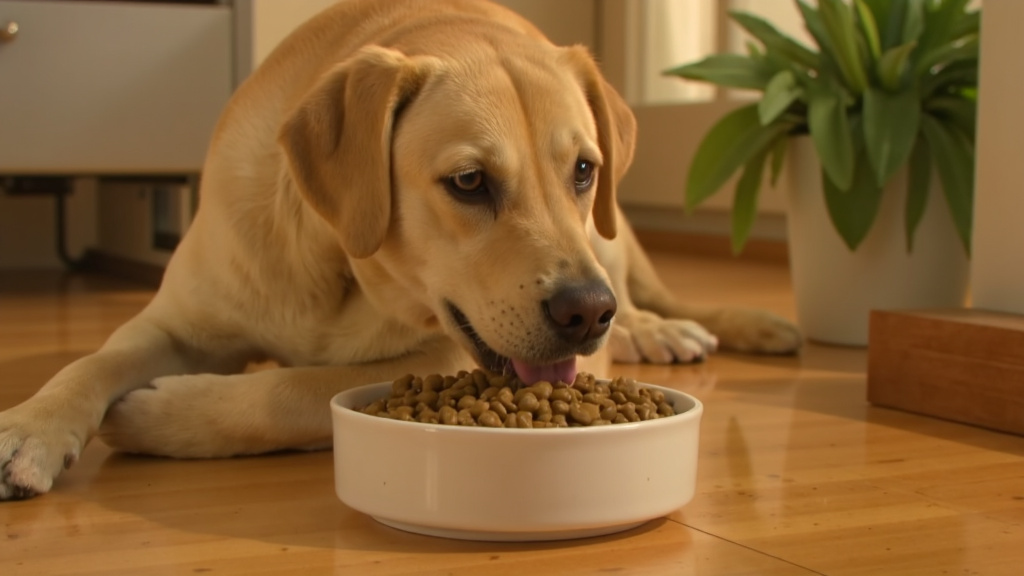
Dogs that eat too quickly are prone to swallowing air, leading to bloating and discomfort. If a dog inhales meals, consider using a slow feeder bowl designed with ridges or obstacles that force slower eating. These specialized bowls reduce the risk of digestive upset related to rapid eating.
Environmental Management
Dogs often explore the world with their mouths, which can lead to the ingestion of harmful substances. Secure trash cans with dog-proof lids, keep toxic plants out of reach, and be vigilant about what a dog accesses during walks. Even seemingly harmless items like discarded food can trigger severe digestive reactions.
Regular Parasite Prevention
Intestinal parasites are a common cause of chronic digestive issues in dogs. Maintain a consistent parasite prevention program as recommended by a veterinarian. Regular fecal testing can detect parasites before they cause significant problems, and prompt treatment can prevent long-term digestive damage.
When to Seek Veterinary Care
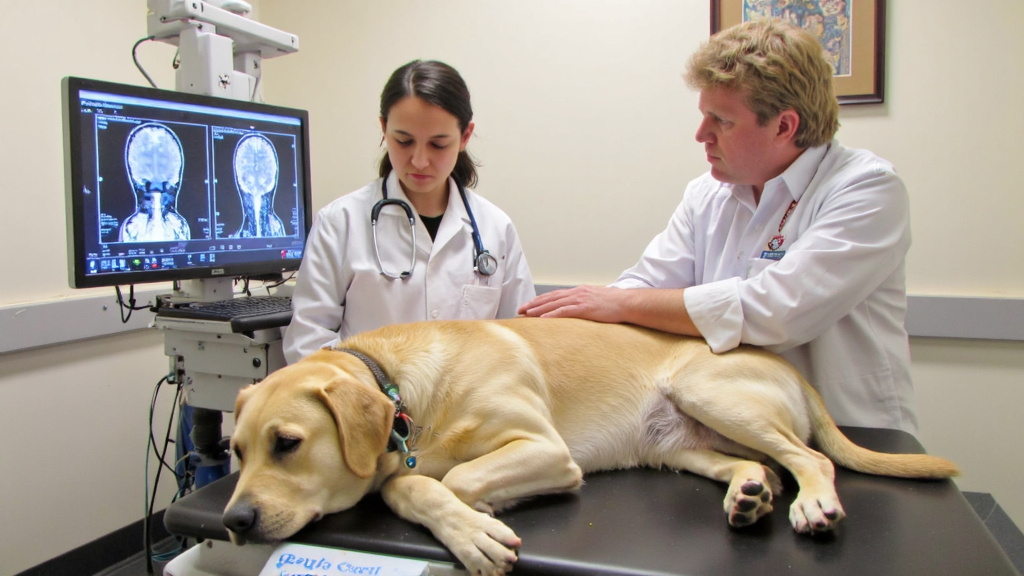
While home remedies can be effective for mild stomach upsets, certain symptoms indicate a need for professional intervention. Contact a veterinarian immediately if a dog shows signs of severe or persistent vomiting, bloody diarrhea, lethargy, abdominal pain, or fever. These could indicate serious conditions requiring prompt medical attention.
Remember that what works for one dog might not work for another. Paying attention to each dog’s response to different remedies will help develop the most effective approach for managing occasional digestive upsets.
Supporting Your Dog’s Digestive Health: Practical Takeaways
Upset stomachs are an unfortunate but common part of life with dogs, whether due to a sudden change in food, dietary indiscretion, or underlying health issues. Recognizing warning signs early, applying safe home remedies when appropriate, and contacting a veterinarian for more serious symptoms safeguards a dog’s comfort and wellbeing.
Proactive prevention makes all the difference—along with thoughtful nutrition and consistent routines, managing outdoor access can reduce exposure to garbage, unfamiliar foods, and other irritants. The Halo Collar, with features like GPS smart fencing and real-time location tracking, supports these efforts by controlling where a dog roams, minimizing the chances of them eating something they shouldn’t during unsupervised adventures. Other pet-safety solutions can also enhance these preventive efforts.
Blending mindful care at home with the right safety tools gives dogs their best chance for a happy, healthy gut—no matter what the day brings. For more insights on dog health, visit the Dog Health page.